


The 2026 Research Showcase Poster Collection showcases the innovative scholarship of St. Mary's University students and Faculty mentors. Inspired by the theme, From Ideas to Impact: Scholarship for a Changing World, the collection reflects the breadth of research across disciplines, exploring topics ranging from scientific discovery and emerging technologies to health, environmental sustainability, history, public policy, business, and the social sciences. Together, these works illustrate how academic research can deepen understanding, inspire innovation, and address the complex challenges facing our world today

-
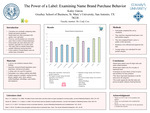
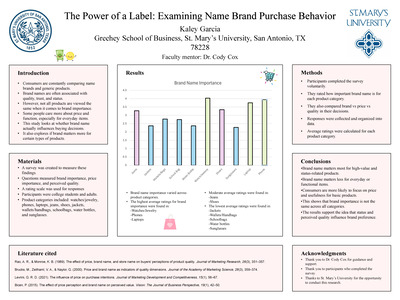
The Power of a label: Examining name brand purchase behavior
Kaley Garcia
• Consumers are constantly comparing name brands and generic products.
• Brand names are often associated with quality, trust, and status.
• However, not all products are viewed the same when it comes to brand importance.
• Some people care more about price and function, especially for everyday items.
• This study looks at whether brand name actually influences buying decisions.
• It also explores if brand matters more for certain types of products.
-
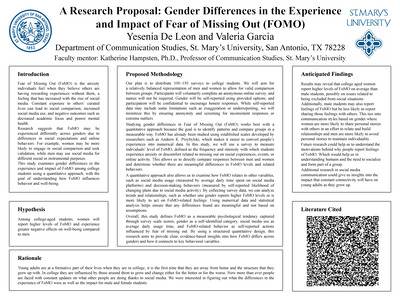
A Research Proposal: Gender Differences in the Experience and Impact of Fear of Missing Out (FOMO)
Valeria Garcia and Yesenia De Leon
Fear of Missing Out (FoMO) is the anxiety individuals feel when they believe others are having rewarding experiences without them, a feeling that has increased with the rise of social media. Constant exposure to others' curated lives can lead to social comparison, increased social media use, and negative outcomes such as decreased academic focus and poorer mental health. Research suggests that FoMO may be experienced differently across genders due to differences in social expectations and online behaviors. For example, women may be more likely to engage in social comparison and seek validation, while men may use social media for different social or instrumental purposes. This study examines gender differences in the experience and impact of FoMO among college students using a quantitative approach, with the goal of understanding how FoMO influences behavior and well-being.
-
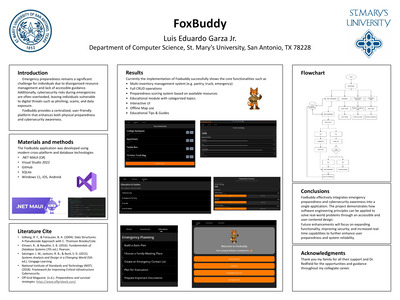
FoxBuddy
Luis Eduardo Garza Jr.
Emergency preparedness remains a significant challenge for individuals due to disorganized resource management and lack of accessible guidance. Additionally, cybersecurity risks during emergencies are often overlooked, leaving individuals vulnerable to digital threats such as phishing, scams, and data exposure. FoxBuddy provides a centralized, user-friendly platform that enhances both physical preparedness and cybersecurity awareness.
-
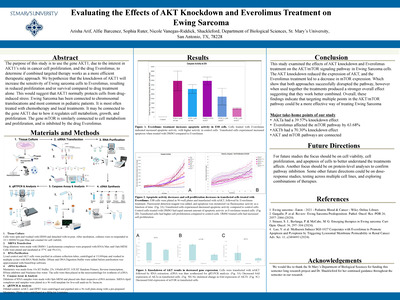
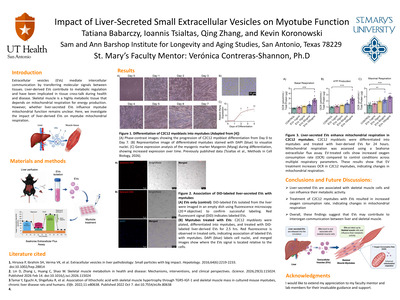
Development of a dendritic cell model to unravel the secrets of CARDS toxin
Lizbeth Gomez
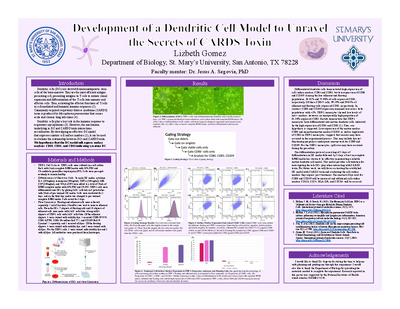
Dendritic cells (DCs) are derived from hematopoietic stem cells of the bone marrow. They are the most efficient antigen presenting cell, presenting antigens to T cells to initiate clonal expansion and differentiation of the T cells into memory and effector cells. Thus, activating the effector functions of T cells in cell-mediated and humoral immune responses (2). Community-acquired respiratory distress syndrome (CARDS) toxin is produced by Mycoplasma pneumoniae that causes acute and chronic lung infections (4). Dendritic cells play a key role in the immune response to respiratory mycoplasmas (3). However, the mechanism underlying in DC and CARDS toxin interactions are unknown. By developing an effective DC model that expresses mature cell surface markers (1), it can be used to evaluate the relationship between DCs and CARDS toxin. We hypothesize that the DC model will express surface markers CD80, CD86, and CD83 indicating a mature DC.
-
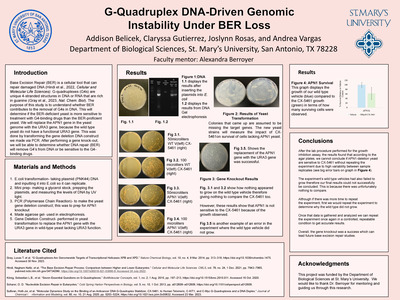
Exploring Base Excision Repair Using Gene Knockout
Gregory Guantos, Cailyn Brock, Kamily Visser, and Dylan Vargas
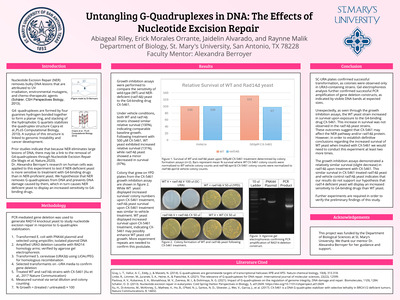
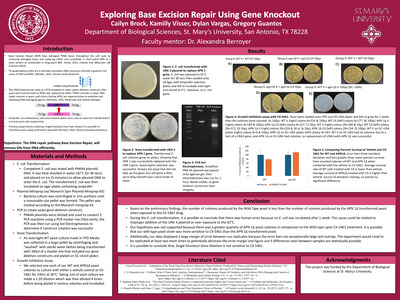
• Base Excision Repair (BER) fixes damaged 3DNA bases throughout the cell cycle by removing damaged bases and replacing either one nucleotide in short-patch BER or a short stretch of nucleotides in long-patch BER. (Hindi, 2021, Cellular and Molecular Life Sciences:CMLS)
• 4G-quadruplexes (G4s) are 4 stranded secondary DNA structures formed in guanine rich areas of DNA and RNA. (Rhodes, 2015, Nucleic Acids Research)
The URA3 plasmid was used as a PCR template to make a gene deletion construct, then yeast were transformed so APN1 was replaced by URA3. 2APN1 encodes a major DNA repair enzyme in yeast, and strains lacking APN1 are hypersensitive to oxidative and alkylating DNA-damaging agents. (Ramotar, 1991, Molecular and Cellular Biology)
• Ampicillin, an antibacterial, and uracil absent plates were used to select for transformed E. coli and yeast cells respectively.
• Previous experiments involving 1single knockout lines have shown it is possible to transform yeast using centromeric plasmids.(Persson, 2022, Genes|Genomes|Genetics),
Hypothesis: The DNA repair pathway Base Excision Repair, will remove G4s from DNA efficiently.
-
An investigation in the physiological effect of microplastic and chemical mixtures in the body length of C. elegans
Gregory Guantos, David M. Mares, and Jennifer C. Harr PhD
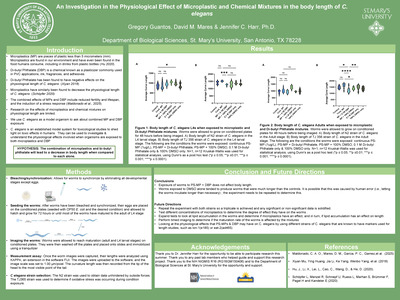
• Microplastics (MP) are pieces of plastic less than 5 micrometers (mm). Microplastics are found in our environment and have even been found in the food humans consume, including in drinks from plastic bottles (Hu 2020).
• Di-butyl Phthalate (DBP) is a chemical known as a plasticizer commonly used in PVC applications, ink, fragrances, and adhesives
• Di-butyl Phthalate has been found to have negative effects on the physiological length of C. elegans (Xiyan 2018)
• Microplastics have similarly been found to decrease the physiological length of C. elegans (Schöpfer 2020)
• The combined effects of MPs and DBP include reduced fertility and lifespan, and the induction of a stress response (Maldonado et al., 2025).
• Research on the effects of microplastics and chemical mixtures on physiological length are limited.
• We use C. elegans as a model organism to ask about combined MP and DBP exposure
• C. elegans is an established model system for toxicological studies to shed light on toxic effects in humans. They can be used to investigate & understand the physiological effects involved when organisms are exposed to both microplastics and DBP
-

Armed Conflict: Addressing Violations Against Children's Human Rights
Noelia Torres Guillen
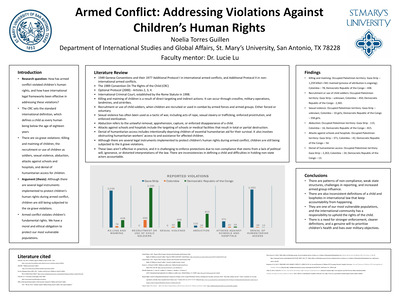
• Research question: How has armed conflict violated children's human rights, and how have international legal frameworks been effective in addressing these violations?
• The CRC sets the standard international definition, which defines a child as every human being below the age of eighteen years
• There are six grave violations: Killing and maiming of children, the recruitment or use of children as soldiers, sexual violence, abduction, attacks against schools and hospitals, and denial of humanitarian access for children.
• Argument (thesis): Although there are several legal instruments implemented to protect children's human rights during armed conflict, children are still being subjected to the six grave violations.
• Armed conflict violates children’s fundamental rights. We have a moral and ethical obligation to protect our most vulnerable populations.
-
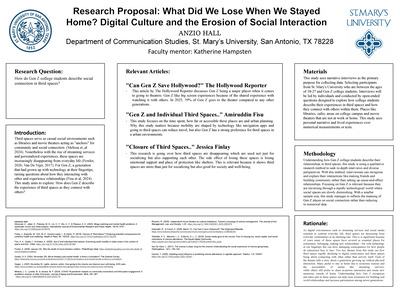
Research proposal: What did we lose when we stayed home? Digital culture and the erosion of social interaction
Anzio Hall
Third spaces serve as casual social environments such as libraries and movie theaters acting as "anchors" for community and social connection. (Melissa et.,al 2024). Nonetheless with the rise of streaming services and personalized experiences, these spaces are increasingly disappearing from everyday life (Fowler, 2026; Van De Vijer, 2017). For Gen Z, a generation that had grown up with technology at their fingertips, raising questions about how they interacting with other and experience relationships (Fisu et al, 2024). This study aims to explore: How does Gen Z describe the experience of third spaces as they connect with others?
-
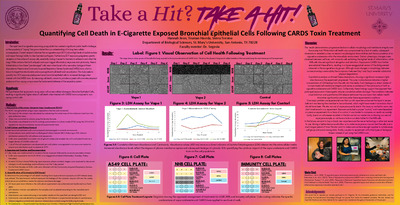
Take a Hit? Take a Hit: Quantifying Cell Death in E-Cigarette Exposed Bronchial Epithelial Cells following CARDS Toxin Treatment
Truman Havrda, Hannah Jiron, and Sierra Trevino
The rapid rise of e-cigarette use among young adults has created a significant public health challenge, as the popularity of "vaping" has grown faster than our understanding of its long term cellular consequences. Current research indicates that e-cigarette vapor (ECV) induce high levels of oxidative stress and impair the lungs' ability to clear bacterial pathogens. Furthermore, ECV exposure upregulates specific receptors on the surface of airway cells, essentially making it easier for bacteria to adhere to and infect the lungs. While we know that both e-liquids and vapor trigger inflammatory responses and cytotoxicity, there is limited data on how these "pre-damaged" cells react when faced with a secondary biological threat. Mycoplasma Pneumoniae Community Acquired Respiratory Distress Syndrome (CARDS) toxin, which is known to target the mitochondria and cause significant cell death and vacuolization. This study seeks to quantify how ECV exposure predisposes human bronchial epithelial cells to increased damage when treated with the CARDS toxin. By measuring cell death, we aim to provide our peers with concrete, empirical evidence of how vaping compromises the fundamental defenses of the respiratory system.
-
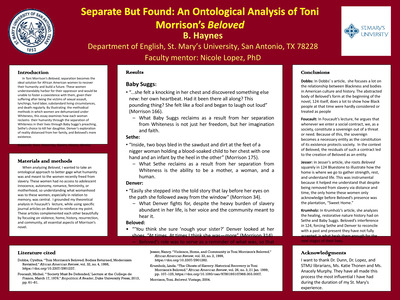
Separate But Found: An Ontological Analysis of Toni Morrison's Beloved
Byron Haynes
In Toni Morrison's Beloved, separation becomes the ideal solution for African American women to recover their humanity and build a future. These women understandably harbor for their oppressor and would be unable to foster a coexistence with them, given their suffering after being the victims of sexual assault, lynchings, hard labor, substandard living circumstances, and death regularly. By illustrating the methodical methods in which women are dehumanized under Whiteness, this essay examines how each woman reclaims their humanity through the separation of Whiteness in their lives through Baby Suggs’s preaching, Sethe’s choice to kill her daughter, Denver’s exploration of reality distanced from her family, and Beloved’s mere existence. Keywords: Race, Maternity, Slavery, History, Identity
-

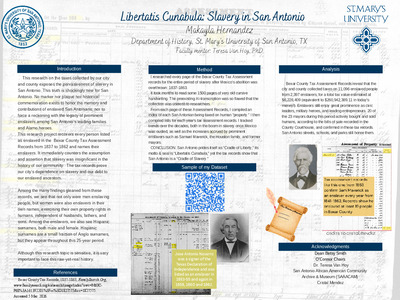
Libertatis Cunabula: Slavery in San Antonio
Makayla Hernandez
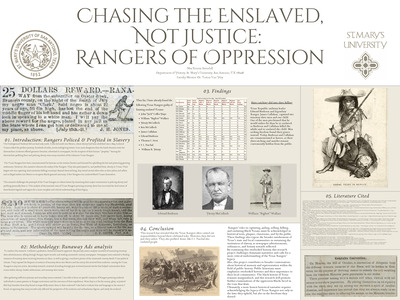
This research on the taxes collected by our city and county exposes the pervasiveness of slavery in San Antonio. This truth is shockingly new for San Antonio. No marker nor plaque nor historical commemoration exists to honor the memory and contributions of enslaved San Antonians, nor to force a reckoning with the legacy of prominent enslavers among San Antonio’s leading families and Alamo heroes. This research project recovers every person listed as enslaved in the Bexar County Tax Assessment Records from 1837 to 1862 and names their enslavers. It immediately counters the assumption and assertion that slavery was insignificant in the history of our community. The tax records prove our city’s dependence on slavery and our debt to our enslaved ancestors. Among the many findings gleaned from these records, we see that not only were men enslaving people, but women were also enslavers in their own names, exercising their own property rights in humans, independent of husbands, fathers, and sons. Among the enslavers, we also see Hispanic surnames, both male and female. Hispanic surnames are a small fraction of Anglo surnames, but they appear throughout this 25-year period. Although this research topic is sensitive, it is very important to face this raw-yet-real history.
-
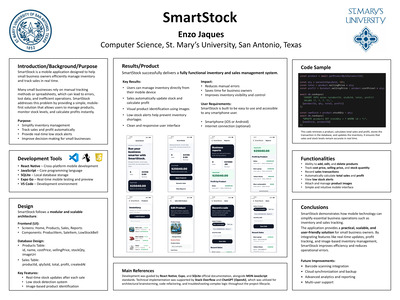
SmartStock
Enzo Jaques
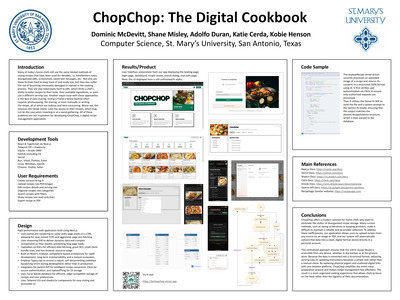
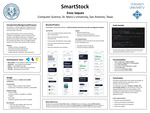
SmartStock is a mobile application designed to help small business owners efficiently manage inventory and track sales in real time. Many small businesses rely on manual tracking methods or spreadsheets, which can lead to errors, lost data, and inefficient operations. SmartStock addresses this problem by providing a simple, mobile-first solution that allows users to manage products, monitor stock levels, and calculate profits instantly.
Purpose:
• Simplify inventory management • Track sales and profit automatically • Provide real-time low stock alerts • Improve decision-making for small businesses
-
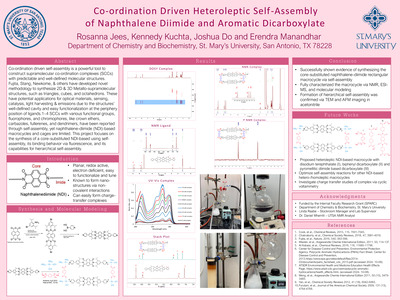
Co-ordination driven heteroleptic self-assembly of naphthalene diimide and aromatic dicarboxylate
Rosanna Jees, Kennedy Kuchta, Joshua Do, and Erendra Manandhar
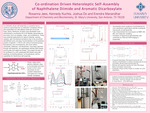
Co-ordination driven self-assembly is a powerful tool to construct supramolecular co-ordination complexes (SCCs) with predictable and well-defined molecular structures. Fujita, Stang, Newkome, & others have developed novel methodology to synthesize 2D & 3D Metallo-supramolecular structures, such as triangles, cubes, and octahedrons. These have potential applications for optical materials, sensing, catalysis, light harvesting & emissions due to the structures’ well-defined cavity and easy functionalization at the periphery position of ligands.1–4 SCCs with various functional groups, fluorophores, and chromophores, like crown ethers, carbazoles, fullerenes, and dendrimers, have been reported through self-assembly, yet naphthalene-diimide (NDI)-based macrocycles and cages are limited. This project focuses on the synthesis of a core-substituted NDI-based using self-assembly, its binding behavior via fluorescence, and its capabilities for hierarchical self-assembly.
-
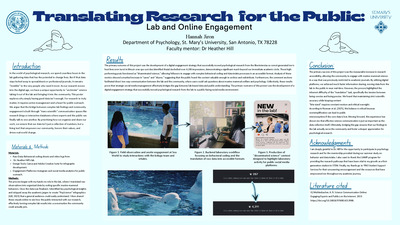
Translating Research for the Public: Lab and Online Engagement
Hannah Jiron
In the world of psychological research, we spend countless hours in the lab gathering data that has the potential to change lives. But if that data stays locked away in spreadsheets or professional journals, it remains "invisible" to the very people who need it most. As our research moves into the digital age, we have a unique opportunity to "uncloister" science taking it out of the lab and bringing it into the community. This poster explores why simply having good data isn't enough. For research to truly matter, it requires active management and a heart for public outreach. We argue that the bridge between complex lab findings and community engagement is built through "trans-scientific" communication spaces like research blogs or interactive databases where experts and the public can finally talk to one another. By prioritizing how we organize and share our work, we ensure that our data isn't just a collection of numbers, but a living tool that empowers our community, honors their values, and drives real-world change.
-
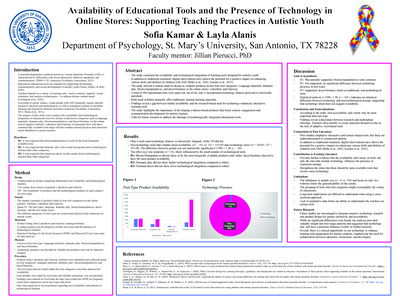
Availabilty of Educational Tools and the Presence of Technology in Online Stores: Supporting Teaching Practices in Autistic Youth
Sofia Kamar and Layla Alanis
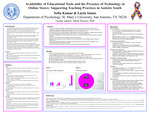
- A neurodevelopmental condition known as, Autism Spectrum Disorder (ASD), is characterized by difficulties with social interaction, behavior regulation, and communication. (DSM-5-TR; American Psychiatric Association, 2013) - Specialized educational tools are essential for supporting the learning, communication, and social development of autistic youth (Jones, Hanley, & Riby, 2020). - Teachers depend on a variety of learning aids—such as sensory supports, visual schedules, and assistive technologies— to address diverse student needs (Carrington et al., 2020). - According to earlier studies, young people with ASD frequently require specific resources, physical and technological, as well as scheduled routines to facilitate learning and transitions between activities (American Psychiatric Association, 2013; Strain et al., 2011). - The purpose of this study was to analyze the availability and technological integration of educational tools for autistic youth across categories such as language materials, dramatic play, blocks/manipulatives, and decor/furniture, on the online school supplies websites, Lakeshore and Gateway, to determine how well these commercially available tools align with the evidence-based practices and classroom needs identified in current research.
-
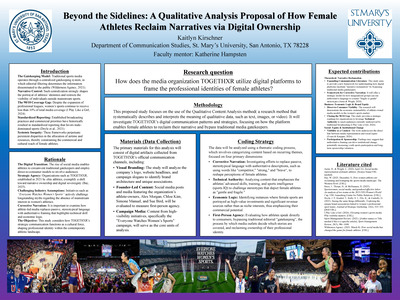
Beyond the Sidelines: A Qualitative Analysis Proposal of How Female Athletes Reclaim Narratives via Digital Ownership
Kaitlyn Kirschner
The Gatekeeping Model: Traditional sports media operates through a centralized gatekeeping system, in which editorial filtering determines the information disseminated to the public (Wilderness Agency, 2021). Narrative Control: Such centralization strongly shapes the portrayal of athletes’ identities and restricts the visibility of individuals outside mainstream sports. The 90/10 Coverage Gap: Despite the expansion of professional leagues, women’s sports continue to receive less than 10% of total media coverage (I Play Like a Girl, 2024). Standardized Reporting: Established broadcasting practices and commercial priorities have historically resulted in standardized reporting that favors male-dominated sports (Doyle et al., 2021). Systemic Inequity: These frameworks perpetuate persistent disparities in the allocation of airtime and resources, thereby constraining the commercial and cultural reach of female athletes.
-
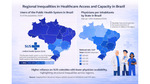
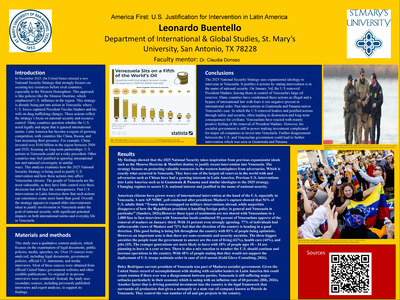
Regional Inequalities in Healthcare Access and Capacity in Brazil
Elena Kossler
The Brazilian health system is one of the largest and most comprehensive universal public health systems, fully funded by the government.
-
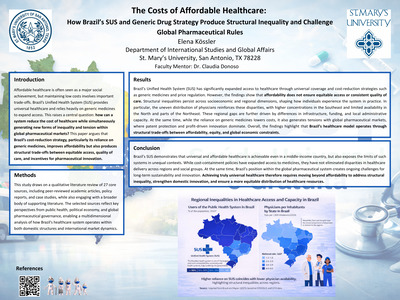
The cost of affordable healthcare: How Brazil's SUS and generic drug strtegy produce structural inequality and challenge global pharmaceutical rules
Elena Kössler
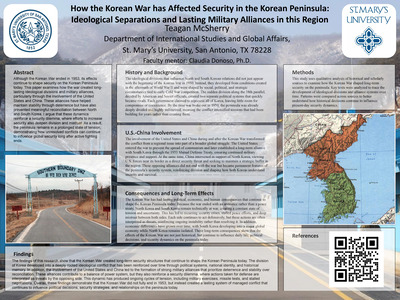
Affordable healthcare is often seen as a major social achievement, but maintaining low costs involves important trade-offs. Brazil’s Unified Health System (SUS) provides universal healthcare and relies heavily on generic medicines to expand access. This raises a central question: how can a system reduce the cost of healthcare while simultaneously generating new forms of inequality and tension within global pharmaceutical markets? This paper argues that Brazil’s cost-reduction strategy, particularly its reliance on generic medicines, improves affordability but also produces structural trade-offs between equitable access, quality of care, and incentives for pharmaceutical innovation.
-
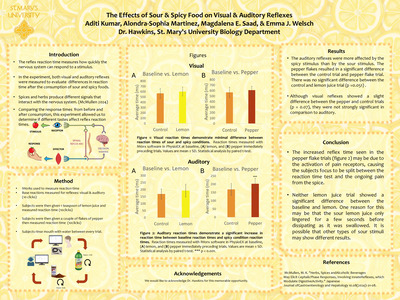
The Effects of Sour & Spicy Food on Visual & Auditory Reflexes
Aditi Kumar, Alondra-Sophia Martinez, Magdalena E. Saad, and Emma J. Welsch
• The reflex reaction time measures how quickly the nervous system can respond to a stimulus. • In the experiment, both visual and auditory reflexes were measured to evaluate differences in reaction time after the consumption of sour and spicy foods. • Spices and herbs produce different signals that interact with the nervous system. (McMullen 2024) • Comparing the response times from before and after consumption, this experiment allowed us to determine if different tastes affect reflex reaction times.
-
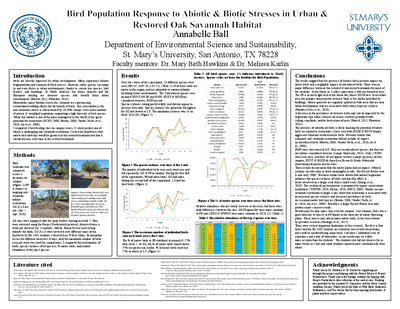
Raptor Abundance and Occupancy in Urban Parks within Metropolitan Landscapes
Mary- Esther Leblanc
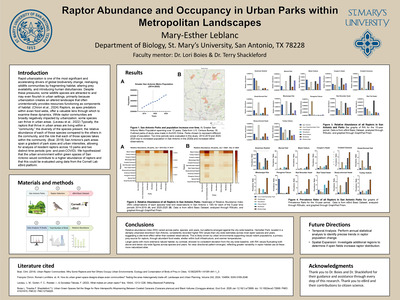
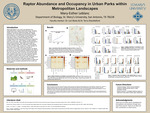
Rapid urbanization is one of the most significant and accelerating drivers of global biodiversity change, reshaping wildlife communities by fragmenting habitat, altering prey availability, and introducing human disturbances. Despite these pressures, some wildlife species are attracted to and may even flourish in urban settings, primarily because urbanization creates an altered landscape that often unintentionally provides resources functioning as components of habitat. (Chiron et al., 2024) Raptors, as apex predators within avian food webs, offer a valuable lens through which to examine these dynamics. While raptor communities are broadly negatively impacted by urbanization, some species can thrive in urban areas. (Leveau et al., 2022) Typically, the raptors that thrive in urban areas are living within a “community,” the diversity of the species present, the relative abundance of each of those species compared to the others in the community, and the role that each of those species takes within the community. (Boal, 2018) San Antonio's park areas span a gradient of park sizes and urban intensities, allowing for analysis of resident raptors across 10 parks and two distinct time periods (pre- and post-COVID). We hypothesized that the urban environment within green spaces of San Antonio would contribute to a higher abundance of raptors and that this could be evaluated using data from the Cornell Lab eBird platform.
-
Agglomeration of Particles Streaming down a Zigzag
Juan Llamas
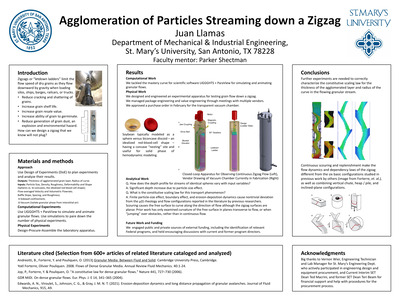
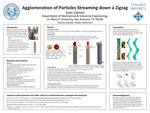
Zigzags or “letdown ladders” limit the flow speed of dry grains as they flow downward by gravity when loading silos, ships, barges, railcars, or trucks.
• Reduce cracking and shattering of grains.
• Increase grain shelf life.
• Increase grain resale value. • Increase ability of grain to germinate.
• Reduce generation of grain dust, an explosion and environmental hazard.
How can we design a zigzag that we know will not plug?
-
Neurophenomenology: A Research Method Combining Neuroscience and Philosophy
Jonas Lokensgard
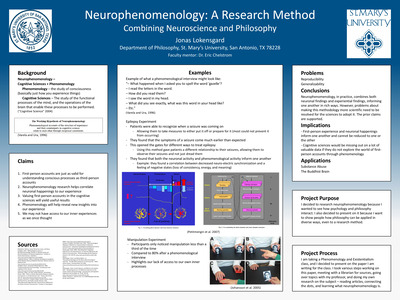
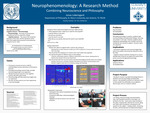
Neurophenomenology – Cognitive Sciences + Phenomenology Phenomenology – the study of consciousness (basically just how you experience things) Cognitive Sciences – The study of the functional processes of the mind, and the operations of the brain that enable these processes to be performed. (“Cognitive Science” 2004)
-
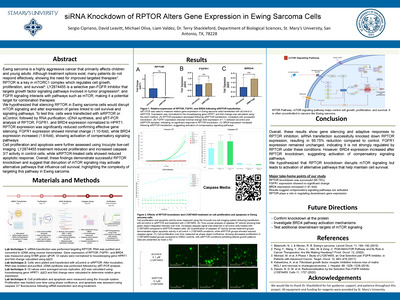
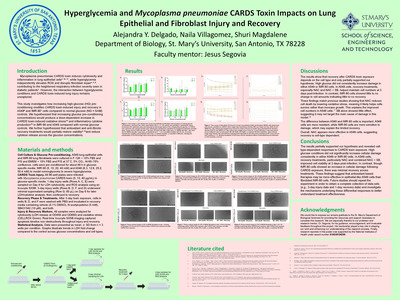
Effects of Mycoplasma Pneumoniae CARDS Toxin on Lung Fibroblast Function
Shuri Magdalene
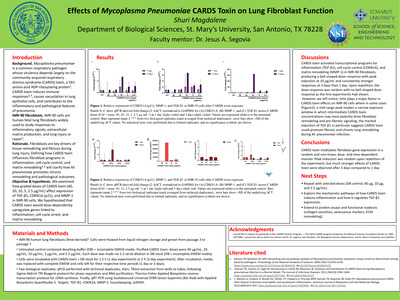
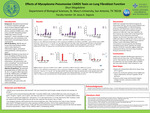
Mycoplasma pneumoniae is a common respiratory pathogen whose virulence depends largely on the community-acquired respiratory distress syndrome (CARDS) toxin, a 591-amino-acid ADP-ribosylating protein¹. CARDS toxin induces immune responses²˒³, causes vacuolation in lung epithelial cells, and contributes to the inflammatory and pathological features of pneumonia. IMR-90 fibroblasts. IMR-90 cells are human fetal lung fibroblasts widely used to study responses to inflammatory signals, extracellular matrix production, and lung injury or repair. Rationale. Fibroblasts are key drivers of tissue remodeling and fibrosis during lung injury. Defining how CARDS toxin influences fibroblast programs in inflammation, cell-cycle control, and matrix remodeling²˒³ will clarify how M. pneumoniae promotes chronic remodeling and pathological outcomes. Objective & hypothesis. We examined how graded doses of CARDS toxin (40, 20, 10, 5, 2.5 µg/mL) affect expression of TGF-β1, CDKN1A (p21), and MMP-1 in IMR-90 cells. We hypothesized that CARDS toxin would dose-dependently upregulate genes linked to inflammation, cell-cycle arrest, and matrix remodeling.
-
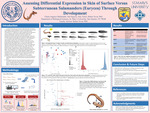
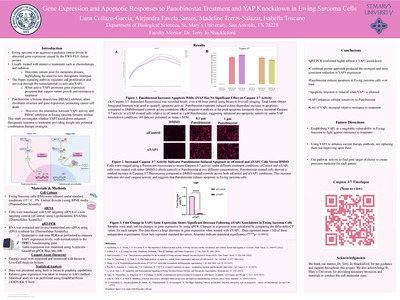
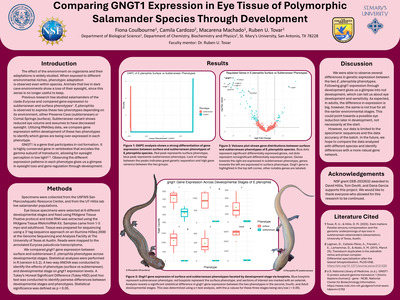
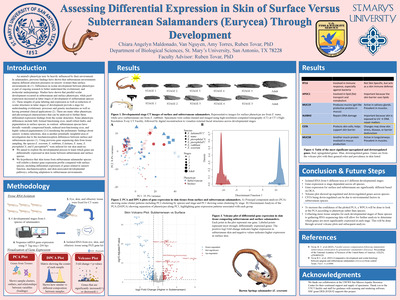
Assessing Differential Expression in Skin of Surface Versus Subterranean Salamanders (Eurycea) Through Development
Chiara Angelyn Maldonado, Van Nguyen, and Amy Torres
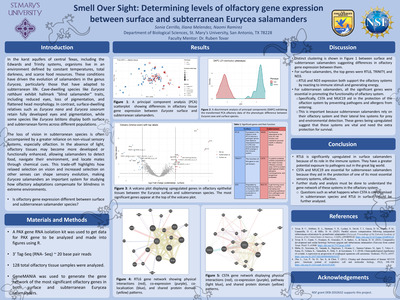
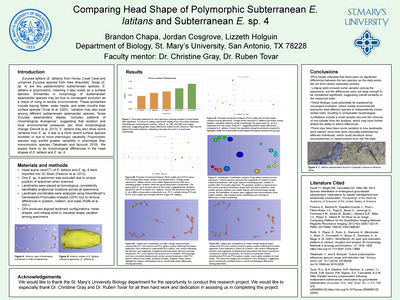
In salamanders, previous findings have shown that subterranean environments impose different selection pressures on sensory systems than surface environments do (1). Differences in ocular development between phenotypes is part of ongoing research to better understand the evolutionary and molecular underpinnings. Studies have shown that parallel ocular development occurred in subterranean and surface phenotypes, while pax6 expression decreased in latter stages of development of subterranean species (2). These insights of gene labeling and expression as well as reduction of ocular structures in latter stages of development provide a stage for understanding evolutionary processes and genetic mechanisms as well as having potential clinical applications (2). There are many other phenotypic and physiological characteristics that can be analyzed to further these differential expression findings from the ocular structures. Some phenotypic differences include fully formed functioning eyes, small robust limbs, and pigmentation in surface species; in contrast subterranean species have dorsally ventrally compressed heads, reduced non-functioning eyes, and highly reduced pigmentation (2).
Considering the preliminary findings about sensory systems selections, skin is another potentially insightful area of investigation due to the mechanoreception differences between surface and subterranean species (1). Using previous gene sequencing data from tissue sampling, the species E. sosorum, E. rathbuni, E. latitans, E. nana, E. pterophila CS, and E. pterophila PC were utilized for our skin analysis.
We aimed to explore the developmental process to learn which genes are differentially expressed in skin tissue between subterranean and surface species.
We hypothesize that skin tissue from subterranean salamander species will exhibit a distinct gene expression profile compared with surface species, including differential expression of genes related to sensory function, mechanoreception, and skin-associated developmental pathways, reflecting adaptation to subterranean environments.
-
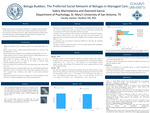
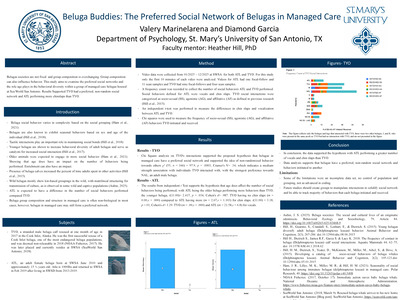
Beluga Buddies: The Preferred Social Network of Belugas in Managed Care
Valery Marinelarena and Diamond Garcia
Belugas societies are not fixed and group composition is everchanging. Group composition can also influence behavior. This study aims to examine the preferred social networks and the role age plays in the behavioral diversity within a group of managed care belugas housed at Sea World San Antonio. Results Supported TYO had a preferred, non-random social network and ATL performing more chinslaps than TYO.