

Files
Download Full Text (1.6 MB)
Publication Date
5-13-2025
Keywords
Cancer, Ewing Sarcoma, Panobinostat, Incucyte, Cancer Therapeutics, Pediatric Cancer
Description
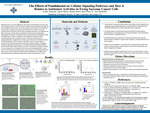
Ewing sarcoma is a rare and aggressive cancer that primarily affects the bones and surrounding soft tissues, most commonly in children and young adults. Although the exact etiology remains unclear, a well-documented cause involves a chromosomal translocation resulting in the fusion of the EWSR1 and FLI1 genes. This fusion produces abnormal proteins that disrupt normal gene expression, cell signaling, and RNA processing, contributing to tumorigenesis. Prognosis varies significantly depending on the extent of metastasis, with 5-year survival rates ranging from 82% in localized cases to 39% in metastatic cases. Standard treatments include chemotherapy typically involving vincristine, doxorubicin, etoposide, and cyclophosphamide—surgical tumor resection, and limited use of radiation therapy. Chemotherapy often results in adverse side effects such as nausea, alopecia, mucositis, and diarrhea, particularly concerning in pediatric patients. Emerging therapeutic approaches include the use of histone deacetylase (HDAC) inhibitors such as Panobinostat. HDAC inhibition can restore the expression of genes involved in tumor suppression, including p53 and histones, promoting apoptosis in cancer cells. This mechanism has shown promise in various cancers, including prostate and breast cancer, and may offer potential benefits for Ewing sarcoma treatment by reactivating antitumor pathways suppressed by HDAC overexpression.
Collection
Cell and Molecular Methods
Format
Medium
Lab report, poster
Size or Duration
15 Pages
City
San Antonio, Texas
Creative Commons License

This work is licensed under a Creative Commons Attribution-NonCommercial-No Derivative Works 4.0 International License.
Recommended Citation
Valenzuela, Crystal; Martini, Andrew; Navarro, Hannah; Flores, Mario; and Shackleford, Terry Jo, "The Effects of Panobinostat on Cellular Signaling Pathways and How it Relates to Antitumor Activities in Ewing Sarcoma Cancer Cells" (2025). Cell and Molecular Methods. 5.
https://commons.stmarytx.edu/biostulab25/5