


Files
Download Full Text (5.3 MB)
Contributor
Segovia, Jesus (Faculty Mentor)
Digital Publisher
Digital Commons at St. Mary's University
Publication Date
Spring 2026
Keywords
E-cigarettes, Vaping, Vapes, Young Adults, Public Health, Mycoplasma Pneumoniae Community Acquired Respiratory Distress Syndrome (CARDS)
Description
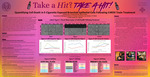
The rapid rise of e-cigarette use among young adults has created a significant public health challenge, as the popularity of "vaping" has grown faster than our understanding of its long term cellular consequences. Current research indicates that e-cigarette vapor (ECV) induce high levels of oxidative stress and impair the lungs' ability to clear bacterial pathogens. Furthermore, ECV exposure upregulates specific receptors on the surface of airway cells, essentially making it easier for bacteria to adhere to and infect the lungs. While we know that both e-liquids and vapor trigger inflammatory responses and cytotoxicity, there is limited data on how these "pre-damaged" cells react when faced with a secondary biological threat. Mycoplasma Pneumoniae Community Acquired Respiratory Distress Syndrome (CARDS) toxin, which is known to target the mitochondria and cause significant cell death and vacuolization. This study seeks to quantify how ECV exposure predisposes human bronchial epithelial cells to increased damage when treated with the CARDS toxin. By measuring cell death, we aim to provide our peers with concrete, empirical evidence of how vaping compromises the fundamental defenses of the respiratory system.
Format
Size
1 poster
City
San Antonio, Texas
Creative Commons License

This work is licensed under a Creative Commons Attribution-NonCommercial-No Derivative Works 4.0 International License.
Included in
Cell and Developmental Biology Commons, Pathogenic Microbiology Commons, Toxicology Commons