


Files
Download Full Text (1.2 MB)
Contributor
Contreras-Shannon, Veronica (Faculty Mentor)
Digital Publisher
Digital Commons at St. Mary's University
Publication Date
Spring 2026
Keywords
Cell Structure, Microtubules, Microplastics
Description
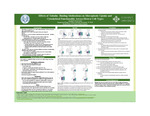
• Microtubules are composed of of a- and b- tubulin heterodimers, vital for cell structure, shape, and intracellular transport • Microtubules are also useful as they separate chromosomes during cell division • Microplastics (< 5 mm) are considered a health threat and have been found throughout the whole body (1) o In several studies, microplastics have been correlated to higher rates cardiorespiratory issues, endocrine disruption, and cancer (1) • Tubulin-binding medications are widely used as chemotherapeutic agents as they are known for disrupting cell division and targeting tubulin (2,3) o In this study, these medications were used to determine whether microtubules play a role in microplastic uptake § Colchicine typically binds to tubulins and arrests polymerization and growth § Nocodazole disrupts polymerization and prevents spindle formation § Vinblastine inhibits microtubule assembly and disruptions miotic spindle formation.
• The purpose of this study was to determine if different concentrations of tubulin-binding medications affect microplastic uptake o C2C12, RAW 264.7, and MOVAS cell lines were used to evaluate whether these changes are cell type specific
If microtubule dynamics are disrupted, microplastic uptake can be affect in a concentration-dependent and cell type- specific manner.
Format
Size
1 poster
City
San Antonio, Texas
Creative Commons License

This work is licensed under a Creative Commons Attribution-NonCommercial-No Derivative Works 4.0 International License.