


Files
Download Full Text (1.7 MB)
Contributor
Donoso, Claudia (Faculty Mentor)
Digital Publisher
Digital Commons at St. Mary's University
Publication Date
Spring 2026
Keywords
American politics, Foreign intervention, Latin America
Description
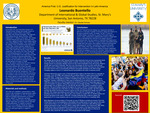
In November 2025, the United States released a new National Security Strategy that strongly focuses on securing key resources before rival countries, especially in the Western Hemisphere. This approach is like policies like the Monroe Doctrine, which emphasized U.S. influence in the region. This strategy is already being put into action in Venezuela, where U.S. forces captured President Nicolás Maduro and his wife on drug trafficking charges. These actions reflect the strategy’s focus on national security and resource control. Many countries question whether the U.S. acted legally and argue that it ignored international norms. Latin America has become a region of growing competition, with countries like China, Russia, and Iran increasing their presence. For example, China invested over $160 billion in the region between 2000 and 2020, focusing on long-term partnerships. U.S. actions in Venezuela could set a risky precedent. Other countries may feel justified in ignoring international law and national sovereignty in similar ways. This analysis examines how the 2025 National Security Strategy is being used to justify U.S. intervention and how these actions may affect Venezuelan citizens. The people of Venezuela are the most vulnerable, as they have little control over these decisions but will face the consequences. Past U.S. interventions in Latin America show that such actions can sometimes create more harm than good. Overall, the strategy appears to expand older interventionist ideas to justify involvement in Venezuela under the goal of national security, with significant potential impacts on both international norms and everyday life in Venezuela.
Format
Size
1 poster
City
San Antonio, Texas
Creative Commons License

This work is licensed under a Creative Commons Attribution-NonCommercial-No Derivative Works 4.0 International License.