


Files
Download Full Text (970 KB)
Contributor
Karlin, Melissa (Faculty Mentor)
Digital Publisher
Digital Commons at St. Mary's
Publication Date
2026
Keywords
Coral Reefs, Ecosystems, Marine Habitat, NOAA's Coral Reef Conservation Program
Description
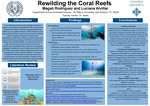
Coral reefs are among the most valuable ecosystems globally, contributing an estimated $10 trillion annually and supporting hundreds of millions of people through food, livelihoods, and coastal protection. (NOAA 2026) They also provide critical habitat for diverse marine species. However, reefs are rapidly declining due to rising ocean temperatures, acidification, pollution, invasive species, and physical disturbances. Globally, 30–50% of coral reefs have already been lost(NOAA 2026), and without intervention, many may face extinction by the end of the century. Rewilding and restoration efforts have become essential strategies to address this crisis. Initiatives such as NOAA’s Coral Reef Conservation Program highlight restoration as a key approach to improving reef resilience. This project evaluates the effectiveness of coral reef rewilding by comparing pre- and post-restoration conditions using scientific literature and government data to assess changes in biodiversity and overall ecosystem health.
Format
Size
1 poster
City
San Antonio, Texas
Creative Commons License

This work is licensed under a Creative Commons Attribution-NonCommercial-No Derivative Works 4.0 International License.